



Remember the days when the mention of THC conjured images of Cheech & Chong stumbling through Up in Smoke in a haze of confusion, or Dave Chappelle rapping like “Sir Smoka Lot” in Half Baked?
For decades before the 2018 Farm Bill legalized hemp-derived THC, it existed in the cultural imagination as shorthand for the stoner stereotype—portrayed in tie-dye, hair long and shaggy, bumbling through life while munching on potato chips.
Thanks to the shifting legal landscape and so much more, it’s a much different story today. THC beverages chill in boutique grocery store coolers. Wellness influencers share their favorite CBD products on Instagram. Your yoga instructor casually mentions her microdosing routine. What was once relegated to basement smoke sessions and stoner comedies has emerged as a legitimate component of modern health, wellness, and social culture.
The Butt of the Joke
For decades, THC occupied a strange cultural space. It was simultaneously forbidden and funny, dangerous and dopey, illegal but not treated as a serious threat. THC was shorthand for the unambitious and unserious.
Cheech & Chong's Up in Smoke (1978) essentially created the stoner comedy genre, cementing stereotypes that would persist for generations. Filmmakers in the '90s doubled down with the movies Dazed and Confused and Friday, both of which centered on characters getting high, being stupid, and dodging responsibility. Then came Half Baked (1998), where the comedic plot revolves around four pothead friends who are forced to get off their butts and raise bail to help their friend, who’s in jail for accidentally killing a cop’s diabetic horse with sugary snacks. Yes, really. As recently as 2008, the comedy action flick Pineapple Express centered on the lovable stoners' storyline, even while speaking overtly to shifting attitudes towards the plant.
These films were entertaining, and many remain cult classics. But they created a narrow view of THC, unfairly labeling those who consumed it with potentially harmful stereotypes.
Meanwhile, government-sponsored programs like D.A.R.E., with its "Just Say No" messaging, harkened back to the days of Reefer Madness and treated THC as a societal menace. It was commonly portrayed as a highly potent and addictive substance devoid of any therapeutic or industrial utility, and the resulting perception of THC consumption would continue to negatively impact efforts towards reform.
The Turning Point
So, how did THC go from cultural pariah to wellness darling? The transformation is the result of a convergence of factors—legal, medical, and cultural—that have successfully burned away decades of stigma.
The first domino fell in 1996 when California became the first state to legalize medical THC. But the real watershed moment came in 2012 as Colorado and Washington legalized recreational cannabis use for adults. Within a few years, other states followed suit. Later, the 2018 Farm Bill legalized hemp products with less than a 0.3% concentration of THC.
During this time, the body of legitimate cannabis research also began to grow. Scientists identified the endocannabinoid system—a complex cell-signaling system in the human body that plays a role in regulating sleep, mood, appetite, and memory—that naturally produces chemical compounds similar to THC. More research suggested that THC could help with conditions including chronic pain, anxiety, PTSD, sleep disorders. The science posed new questions about THC and its uses, and gave people permission to reconsider their assumptions. In fact, one study found that after receiving evidence-based information about THC, participants' perceptions shifted dramatically, with those viewing it as "bad" decreasing significantly.
The rise in legal and scientific changes also led to another significant factor in THC’s glow up—a change in who was associated with its use. For decades, the stereotypical user was a young, male slacker. But as legalization took hold, data revealed that women, particularly middle-aged professionals, were one of the fastest-growing demographics. These weren't burnouts—they are moms, entrepreneurs, and wellness enthusiasts using THC to manage stress and overall enhance their daily routines.
THC’s Mainline Makeover
By the late 2010s, with the legalization of hemp-based THC and the market boom that followed, THC wasn't just becoming mainstream—it was actively rebranding. And since then, the way THC is packaged and marketed has been completely reimagined.
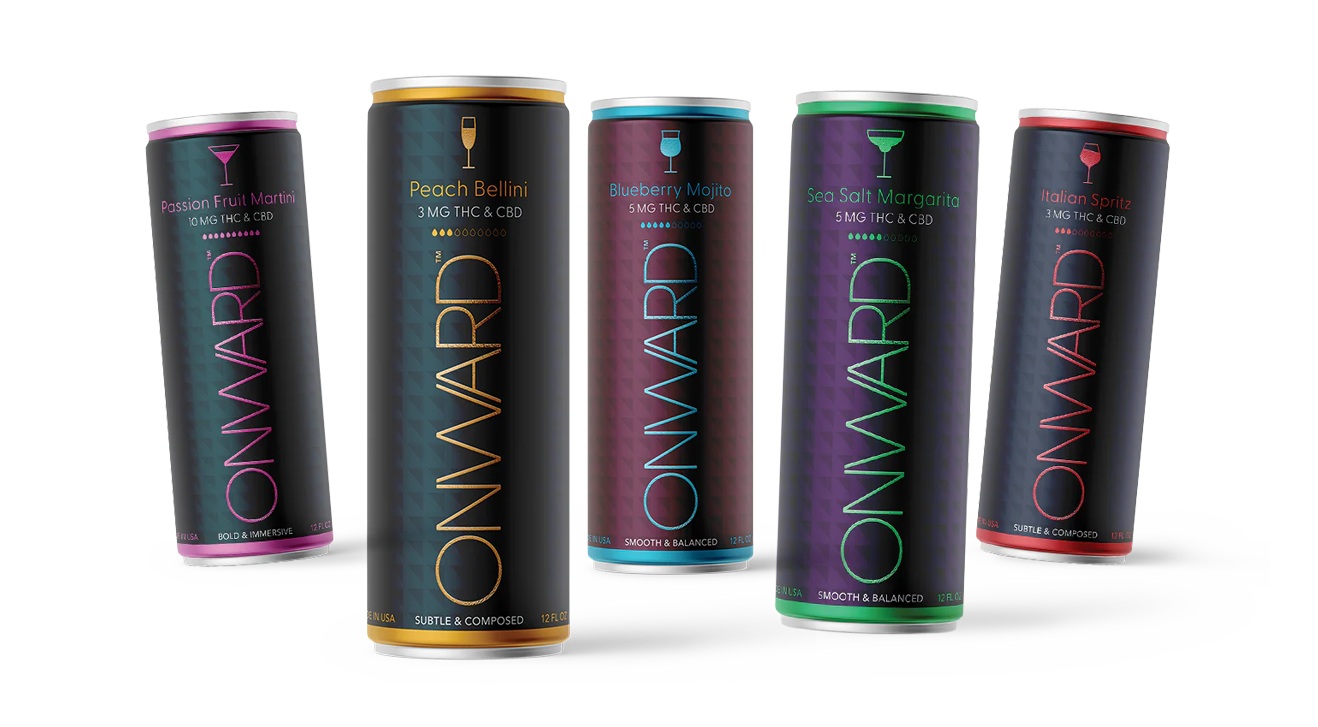
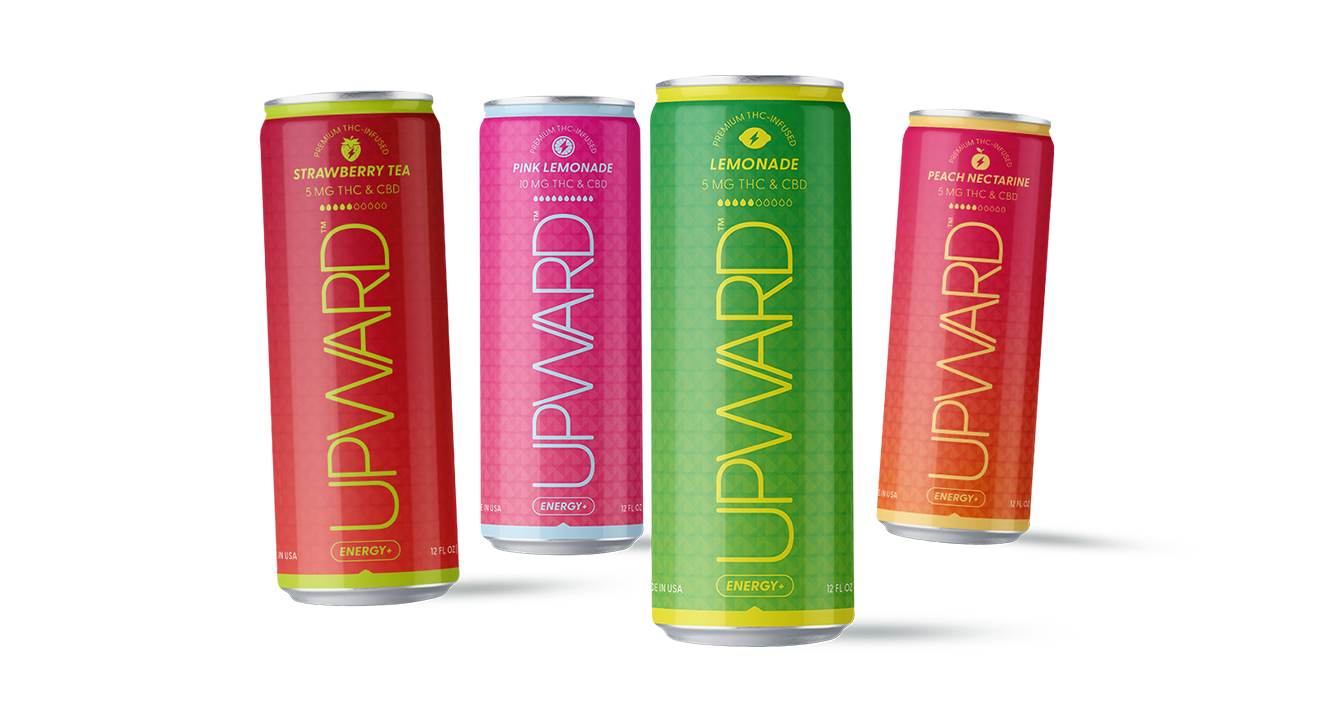
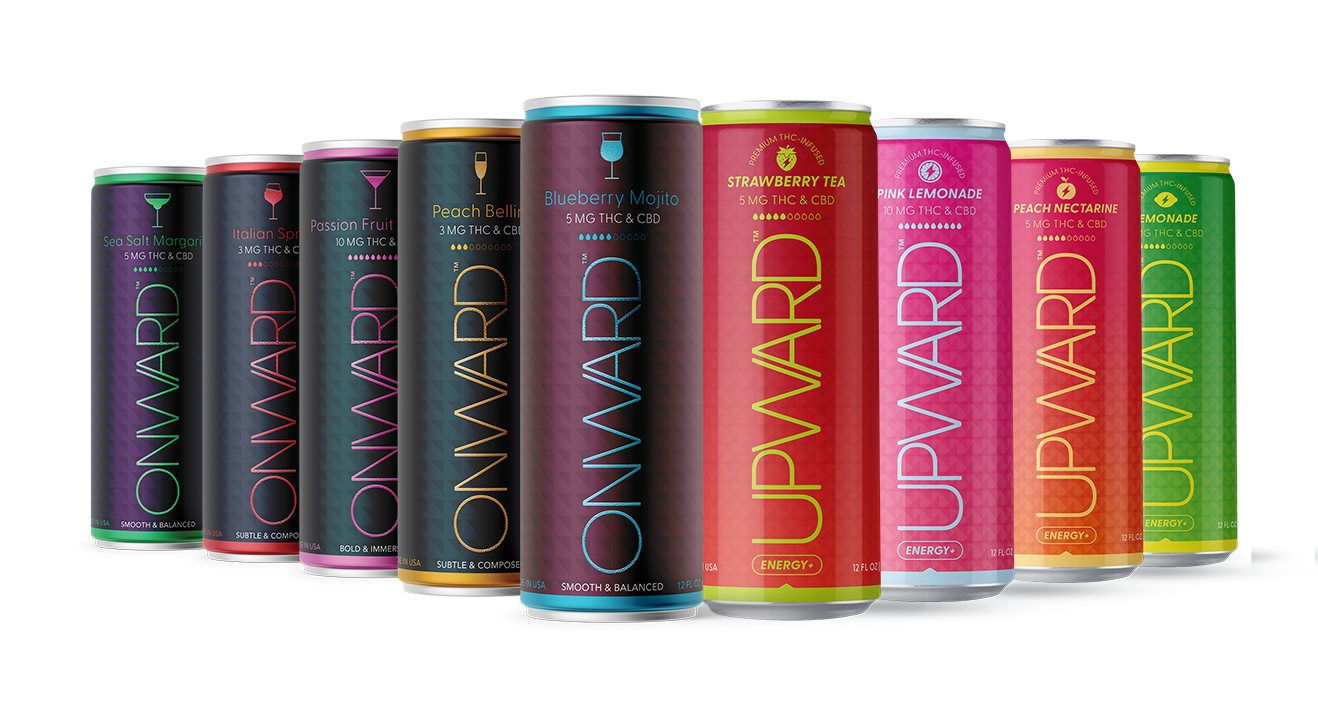
THC beverages, like those at ONWARD and UPWARD, have been at the forefront of this shift. Discreet, social and consistent, these drinks are easily integrated into existing routines—whether unwinding after work, enjoying time with friends, or enhancing workout recovery. Best of all, they don't require special equipment or knowledge, just pop and sip.
The appeal has been immediate, particularly as more people embrace sober-curious lifestyles, compelling alcohol alternatives, and wellness hacks. THC beverages are sophisticated, precisely dosed drinks that look and function like the sparkling waters, teas, and cocktail alternatives people already love. THC beverages may also allow consumers to embrace the trend of microdosing, or consuming small amounts for subtle effects, like slight creativity and mood boosts, rather than intense intoxication.
With THC beverages, you can still enjoy the social ritual, and the lift, of having a drink—but without the hangover, calories, or other common downsides of booze. Plus, ONWARD and UPWARD are sleek, modern products that look right at home at a barbecue, concert, or dinner party.
From Stigma to Status
The cultural cache of THC has never been stronger. Celebrities and elite athletes openly embrace it. Wellness influencers integrate it into their content. The conversation has shifted from "Are you cool, man?" to "How do you incorporate THC into your wellness routine?"
Nothing “stoner comedy” about it—today’s THC culture celebrates intention over intoxication. Complex changes in science, public opinion, and regulations, alongside the rise of high-quality products, have transformed THC's status, prioritizing experience and supporting diverse wellness goals.
As legalization sweeps the U.S. and consumer demand grows for mindful, functional alternatives, it's ONWARD and UPWARD for THC's evolution. No longer a tired punchline—it's an empowering, enjoyable part of a modern lifestyle.